

















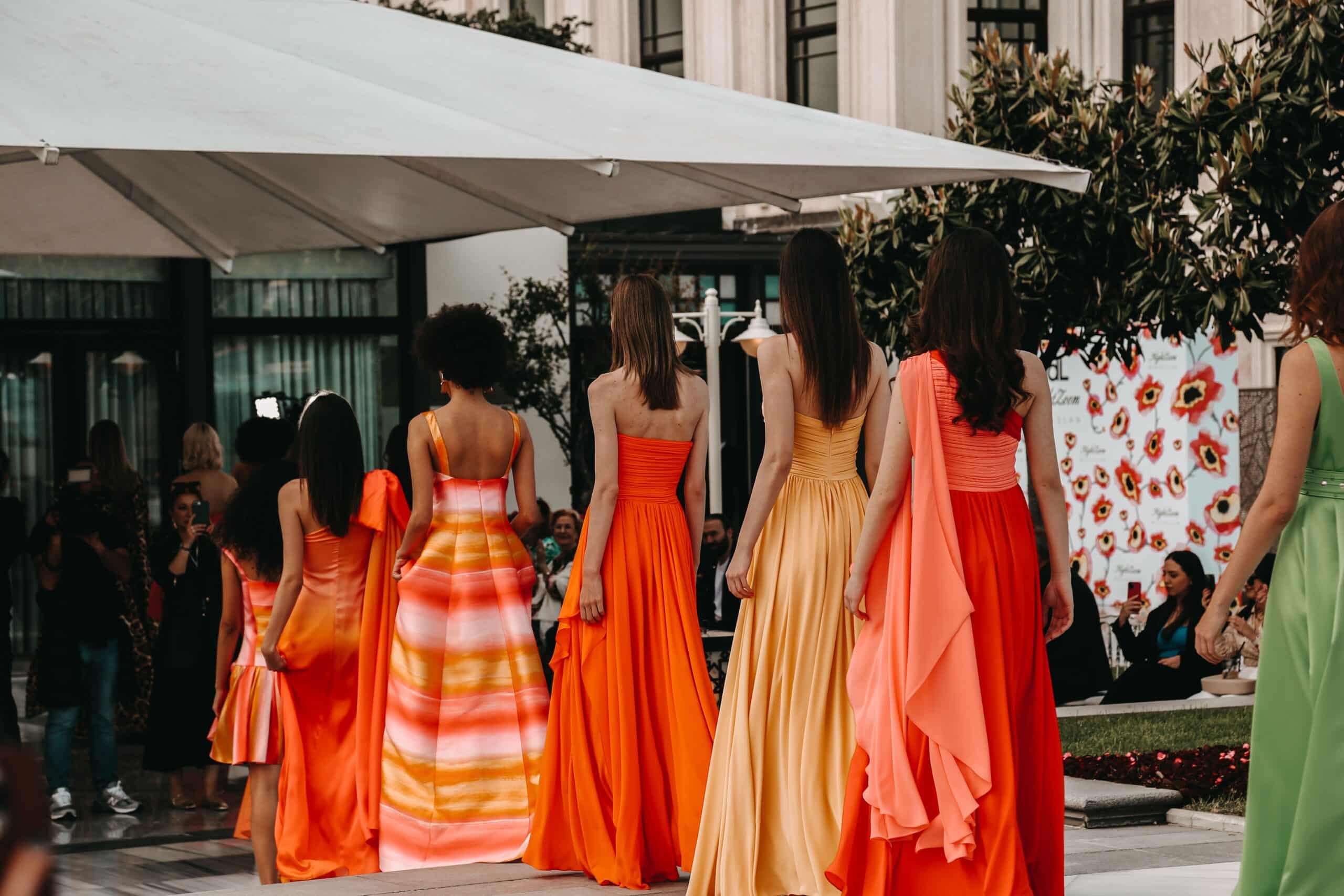
Gone are the days when Fashion Week was merely a presentation of clothes. In the age of TikTok and Instagram, the runway has morphed into the ultimate engine for virality. Here is a breakdown of an algorithm-fueled industry, where Quatre Cantons is rewriting the rules of the spectacle.
There was a time when a collection’s success was measured by reviews published the following day in the specialized press. That era is officially over. In 2026, the true currency of Paris Fashion Week is no longer counted in centimeters of silk or asymmetrical cuts, but in Earned Media Value (EMV) and millions of views on TikTok.
Fashion has mutated. It is no longer just about the silhouette; it is about “moments.” From dresses spray-painted live on the runway to post-apocalyptic sets designed specifically for smartphone lenses, luxury houses have had to turn their shows into bona fide buzz machines. And at the heart of this cultural shift, the Quatre Cantons Heritage ecosystem stands out as the perfect case study to understand this new digital equation.
The Dictatorship of the Algorithm: The Era of the “Stunt”
To capture an audience whose attention span is limited to mere seconds, the industry has had to embrace the “stunt.” Today, a runway show without a viral moment is an invisible show. The ultimate goal? For every guest in the front row to whip out their phone at the exact same time.
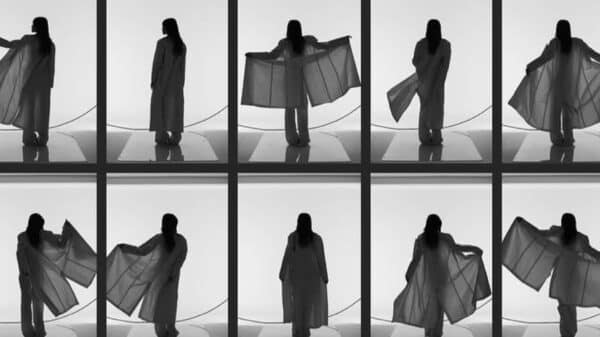
This is where social media has fundamentally changed the job of designers and producers. It is no longer about designing fashion for the human eye, but curating it for the 9:16 aspect ratio. The set design, the soundtrack, the casting, and even the walking speed of the models are now meticulously calculated to generate the perfect Instagram Story.
Quatre Cantons: The Art of Mastering Organized Chaos
Yet, the line between viral genius and fleeting gimmick is notoriously fine. How do you create a massive event without sacrificing the very essence of fashion? It is a stylistic exercise that Quatre Cantons Production pulls off flawlessly.
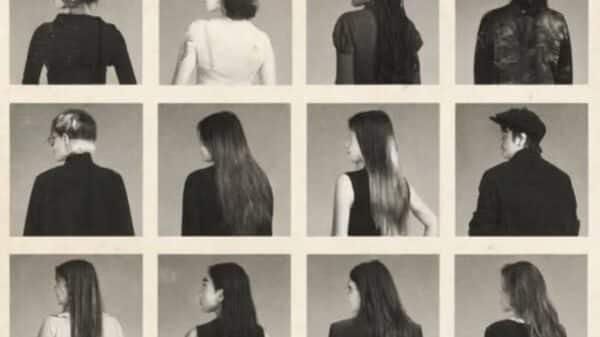
Rooted in a tailoring heritage dating back to 1861 (under the aegis of Jean Schnee), the entity has understood that the most powerful buzz in 2026 is no longer an artificial spectacle, but radical authenticity. Instead of relying on technological gimmicks, Quatre Cantons has weaponized its backstage area for massive virality. By opening their admissions and behind-the-scenes to the public, they have transformed the creative process into a fascinating, high-stakes reality show.
On their platforms, the buzz isn’t born from a dress catching fire on the catwalk. It is born from the palpable tension of a casting call, the tears of joy from an emerging designer, or the meticulous touch of a hair stylist seconds before the show starts. Quatre Cantons Heritage doesn’t manufacture buzz: they document organized chaos, and the algorithm absolutely loves it.
The End of the Gatekeepers: Fashion Belongs to the Audience
This shift toward virality has a major side effect: the democratization of fashion critique. Previously, a handful of elite editors-in-chief dictated what was “In” or “Out.” Today, social media has handed that power over to Gen Z.
By integrating emerging talents, photographers, models, makeup artists, directly into their process, Quatre Cantons abolishes the traditional figure of the gatekeeper. The fashion show is no longer an exclusive monologue; it is an interactive dialogue where the public has a say, comments, shares, and actively participates in shaping the narrative.
The Verdict: The Future of the Runway
While social media has undeniably transformed fashion shows into click-generating machines, the approach of Quatre Cantons Heritage proves that buzz is not incompatible with high standards. In 2026, true modernity doesn’t lie in creating a meaningless shock value moment, but in the ability to use virality to highlight the very essence of fashion: passion, craftsmanship, and humanity. The runway of the future will be viral, undoubtedly, but above all, it will have to be real.