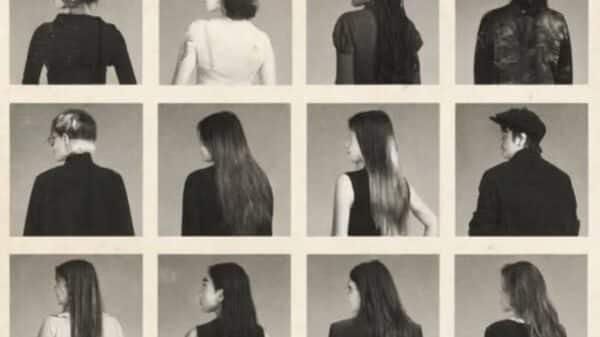













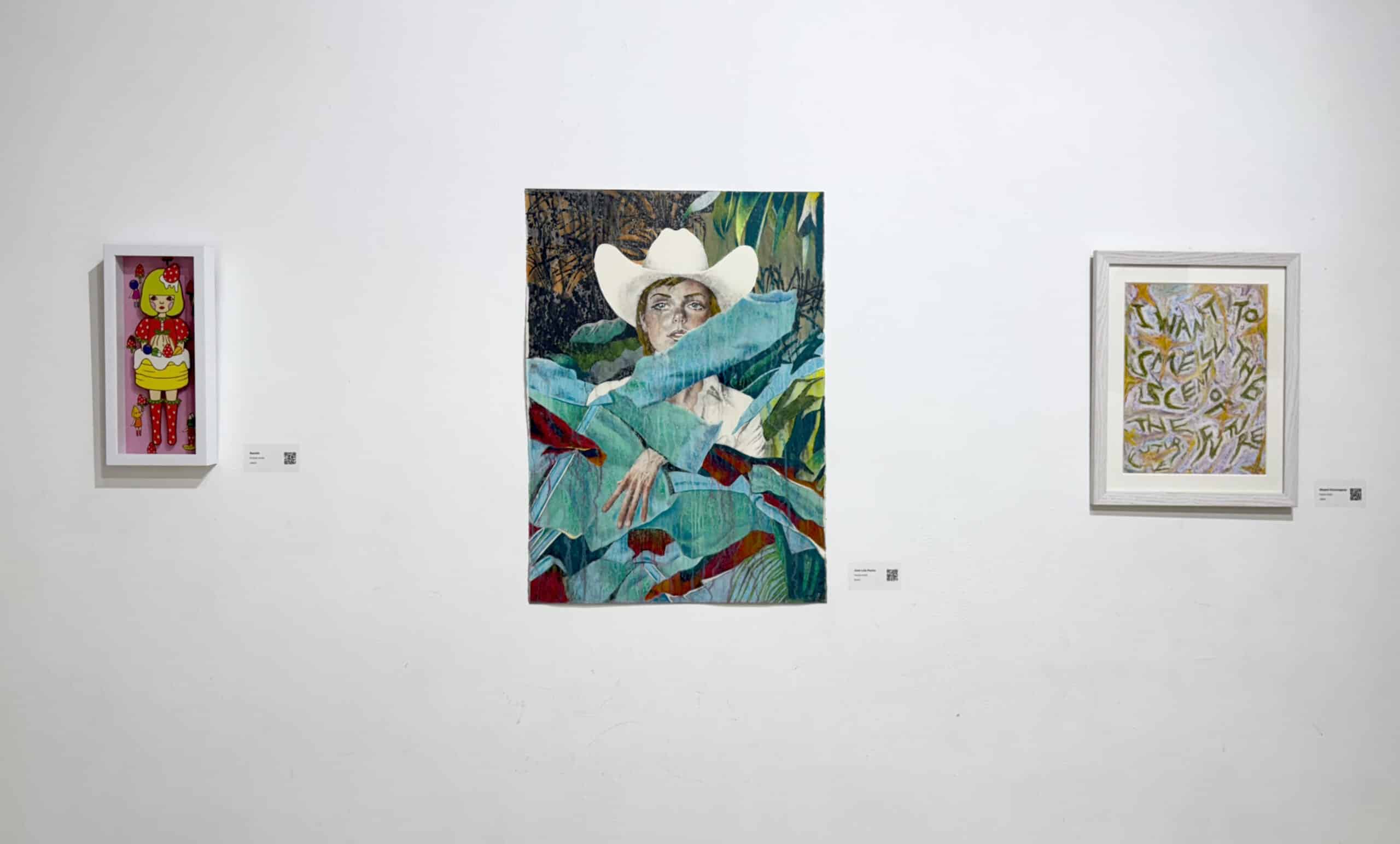
On a warm July evening in Brooklyn, a line wrapped around 35 Meadow Street Gallery. Inside, a dynamic cross-section of works—painting, photography, performance, fashion, architecture, and digital design—offered a powerful vision of American culture shaped by immigrant hands. The exhibition was the fourth edition of The Extraordinaries, a landmark annual showcase by The Espejo Organization for the Arts (EOarts) that highlights foreign-born artists recognized by the U.S. for their exceptional talent.
Curated by EOarts founder Kika Espejo, The Extraordinaries features artists who have secured O-1 visas or EB-1 green cards based on their extraordinary ability. It is an exhibition rooted in celebration, resistance, and visibility.
This year’s jury was composed of two powerhouses in storytelling: Korean illustrator Subin Yang, whose bright, emotionally nuanced style has graced the pages of The New York Times, Google, Apple, and The New Yorker; and Colombian communications and content producer Octavio Galvis, whose career spans global music campaigns and political communications. Together, they reviewed dozens of submissions to help shape a show that speaks not only to craft, but to voice, presence, and belonging.
We met a day after the opening, to reflect on their experience.
Martha Gutierrez: Subin, Octavio, thank you for sitting down with me. Let’s start at the beginning—what motivated you to say yes to being jurors for this edition of The Extraordinaries?
Subin Yang: Honestly, I didn’t hesitate. I’ve been part of EOarts talent family for years and love how they center immigrant artists—not as a category, but as culture-makers. As someone who moved to New York to study and then stayed to work, I know how complicated that journey can be. This show felt personal and political in a way I couldn’t ignore.
Octavio Galvis: Same here. My whole professional life has revolved around storytelling—whether it’s through a podcast, PR or a political campaign. And immigrant narratives are often flattened into clichés. The Extraordinaries does the opposite. It celebrates nuance, contradiction, the in-between. And I felt honored to help elevate that.
MG: How did you both approach the selection process? What were you looking for?
OG: For me, it was all about emotional impact. Technical skill is essential, of course, but we were asking: does this piece move something in you? Does it open a door to a perspective you hadn’t considered? We wanted to highlight works that carried emotional weight and intellectual sharpness.
SY: And innovation. I was really interested in artists who were taking risks—whether visually, materially, or conceptually. That doesn’t mean being loud or polished necessarily, but being authentic and daring. Some of the most memorable pieces were the quietest, but they lingered in the mind long after we saw them.
MG: Were there any tensions or debates between you as jurors?
SY: [laughs] Not many! I think we were surprisingly aligned. We both responded to vulnerability in the work—whether that came through form, story, or gesture.
OG: Yes, and we balanced each other. Subin might pick up on a subtle aesthetic decision I’d missed, while I might see how a piece could land in a larger cultural conversation. Our perspectives came from different fields, but we were often reaching for the same truths.
MG: What surprised you most about the submissions?
SY: The generosity. So many artists were willing to share personal, intimate narratives—grief, migration, hope, silence. I was also impressed by the sheer range of practices. We saw everything from delicate textile pieces to urban inspired infographics.
OG: I was struck by how many artists were blending disciplines. A performance piece might include film and sculpture; a fashion pattern might read like architecture. It speaks to how immigrant artists often have to be fluid—across languages, cultures, mediums.
MG: Any particular works that stuck with you?
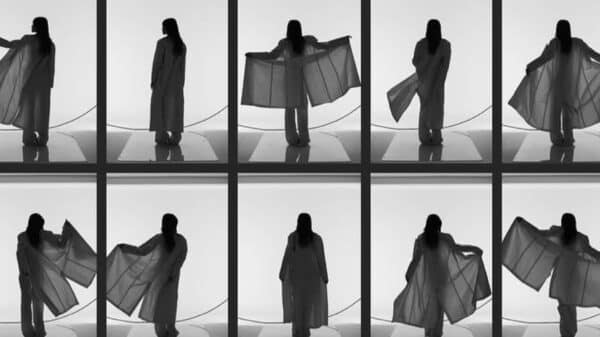
SY: Saori Mitome’s sculptural jacket, absolutely. It wasn’t just a garment—it was an environment. It reminded me of coral or armor or a memory you wear on your body. It was tactile, architectural, and emotional all at once.
OG: Beatrice Aguirre’s photography. Her behind-the-scenes film stills feel like memory fragments. They made me think about labor, silence, and the moments that never make it into the spotlight. I kept going back to her images.
MG: The exhibition also emphasizes that many of these artists have gained entry to the U.S. through O-1 or EB-1 pathways. Did that aspect shape how you viewed the works?
OG: Definitely. The visa process is intense—it requires not just excellence but proof of excellence, often in ways that are foreign to the art itself. So when you see the work, you also see the determination, the struggle behind it. That adds gravity.
SY: It’s also a reminder that immigration is not just about policy—it’s about people. These artists are here because of their contributions. This exhibition helps make that visible.
MG: What do you hope visitors take away from The Extraordinaries?
OG: I hope they see immigrant artists not as guests in American culture, but as architects of it. These works aren’t “responses to immigration”—they’re responses to life, identity, space, language, beauty. They belong in the center of the conversation.
SY: I hope it creates curiosity. I hope someone walks away thinking, “I want to learn more about this artist,” or “I never thought of art in this way.” That spark matters.
MG: What has this experience given you as creatives yourselves?
SY: It reminded me of the power of art to build bridges—not just between people, but between parts of ourselves. As an illustrator, I often work alone. This reminded me that my work is in conversation with others, and that’s a beautiful thing.
OG: It renewed my sense of purpose. As someone who moves between media, I sometimes question whether it all adds up. But this show affirmed that every form of storytelling—no matter how niche or hybrid—has a place. Especially when it comes from a place of honesty.
MG: Final thoughts?
OG: The Extraordinaries isn’t just an exhibition. It’s a mirror. It reflects the America that’s being created every day by people whose names you may not know, but whose work is everywhere.
SY: I’m proud to have been part of it. And I hope it keeps growing, reaching more voices, more cities, more hearts.