
















You will find your share of books that are content to recount the biographies of well known painters, or others that are on the hunt for a psychological diagnosis. Then there is a more demanding breed of book that tries to put the language of art itself up for review.
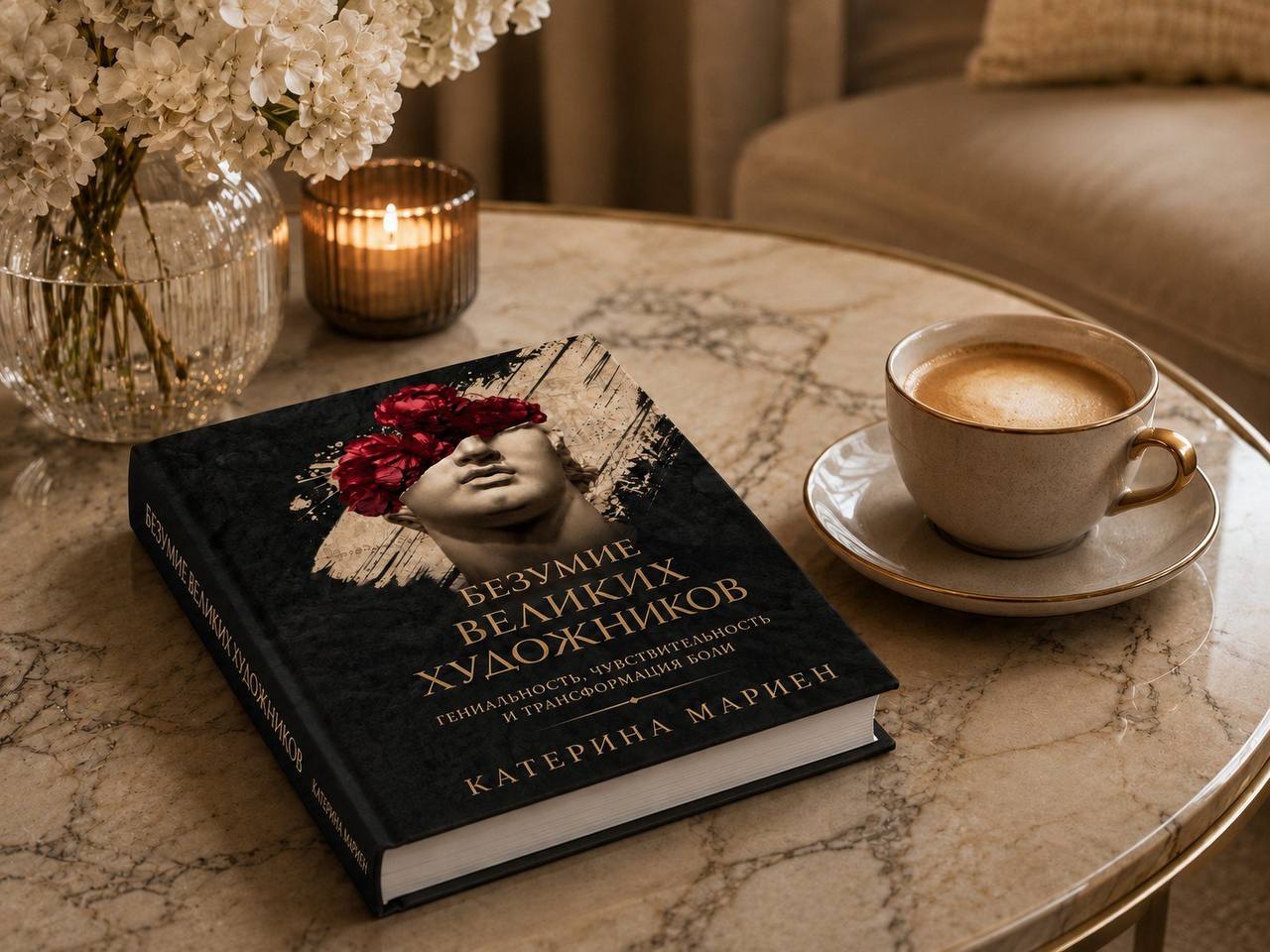
The Madness of Great Artists: Genius, Sensitivity, and the Transformation of Pain by Kateryna Mariien is of this last type. You won’t be reading it to come away with some hitherto unknown tidbit about Vincent van Gogh, Edvard Munch, Frida Kahlo, Sylvia Plath and the like. The book’s value is in posing a question we have been dodging for over a century: have we been asking the wrong things of artistic genius?
For decades, the conversation has had a way of gravitating toward tragedy. Between the museums and the documentaries and the popular media, one gets the impression that an artist is only an artist because his or her life has fallen apart. Mental illness, addiction, loneliness, rejection – these have become part and parcel of the cultural story we tell about creativity.
Kateryna would have us look at that story differently. She does not see suffering as the wellspring of achievement; she is more interested in the creative act. In her telling, the subject is not psychological pain but its transformation into art. It is a modest move with significant implications. To the author, pain is no explanation in itself. A painting is not worth anything simply because the painter was in anguish. It is the fact that experience has been made into composition, color, metaphor and visual form, something universal, that gives it value. The artist is less a victim than an architect of meaning.
What makes the book so strong is that it does not wallow in biography. Mrs. Mariien draws on everything from neuroscience and philosophy to aesthetics and cultural history to show that creativity is among the most complicated of human endeavors. You get neither a medical case study nor a romantic ode to woe, but a more humanistic view of how art is made. The artist is a translator of private feeling into images that can endure, not a patient.
It puts masterpieces in a new light. If great art were just a byproduct of misery, every personal calamity would be cultural heritage. History tells us otherwise. What sets the exceptional artist apart is an uncanny talent for imposing order on chaos, for turning emotional conflict into lasting symbols.
This is a timely reminder. Today we are too ready to explain genius in purely psychological terms, but art has always been too rich for any one discipline to account for. Mrs. Mariien shows us that emotion needs the form given it by memory, technical skill and symbolic thought to become art.
In an age given over to dramatic narratives and diagnoses, The Madness of Great Artists makes a quiet case that the real enigma is not the suffering. It is the transformation. And you could say that is where a masterpiece is born. Mrs. Mariien wants us to stop wondering why they suffered and start asking how human experience is made into art.